
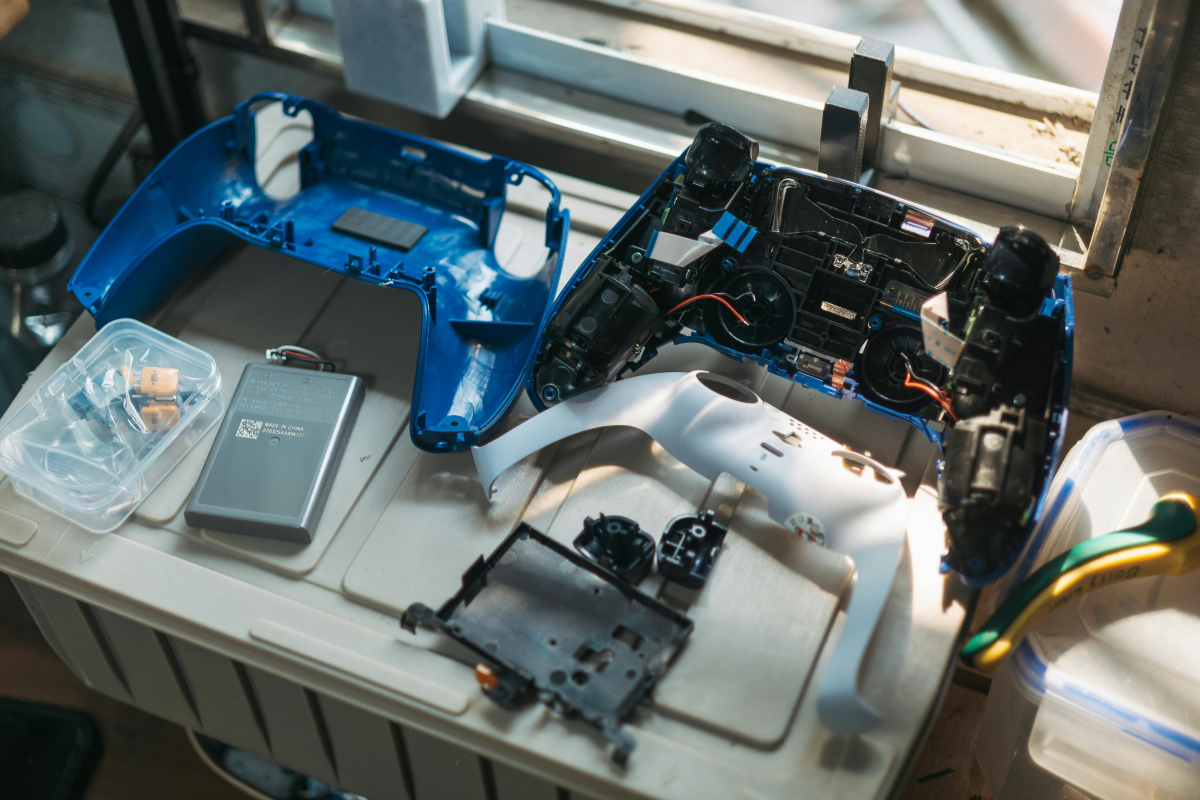
Introduction to HSSGamepad Connectivity Issues
The HSSGamepad has earned its popularity among gamers for its comfort, custom features, and cross-platform compatibility. However, many users report frustrating connectivity issues that disrupt their gaming experience. These problems range from complete pairing failures to intermittent random disconnections and noticeable input lag, all of which can ruin crucial gaming moments, especially in competitive play.
Understanding and resolving these HSSGamepad connectivity problems is essential for maintaining optimal gaming performance. The good news is that most of these issues have identifiable causes and practical solutions. This comprehensive guide will walk you through the most common connectivity issues HSSGamepad users face, their root causes, and step-by-step troubleshooting methods to restore your controller’s reliable performance.
Common Connectivity Issues HSSGamepad Users Experience
Gamers encountering HSSGamepad connectivity problems typically report several consistent issues across different gaming platforms:
Pairing Failures
This occurs when your gamepad fails to establish an initial connection with your gaming device. The HSSGamepad might not appear in your device’s Bluetooth list, or the pairing process might repeatedly time out. This is often caused by outdated firmware, Bluetooth interference, or incompatible Bluetooth versions between your controller and device.
Random Disconnections
Many users report that their HSSGamepad disconnects unexpectedly during gameplay sessions, often at critical moments. These intermittent disconnections are particularly frustrating during competitive gameplay where consistent performance is essential. The primary culprits are typically low battery levels, wireless interference, or an overloaded Bluetooth channel.
Input Lag and Delayed Response
This issue manifests as a noticeable delay between pressing buttons on your HSSGamepad and the corresponding action appearing on-screen. Even milliseconds of input lag can significantly impact gaming performance, especially in fast-paced titles requiring precise timing. This problem is often tied to weak signal strength, older Bluetooth adapters, or signal congestion from other wireless devices.
Detection Problems
Sometimes, gaming devices fail to recognize the HSSGamepad altogether. The controller might power on but remain undetectable in your device’s connectivity settings. This can result from outdated drivers, incorrect Bluetooth configuration, or rarely, physical damage to the controller itself.
Battery-Related Issues
Power problems often manifest as unstable connections or sudden shutdowns. A low battery level can cause your HSSGamepad to behave erratically, even if it hasn’t reached the critical power-off threshold.
Table: Common HSSGamepad Connectivity Issues and Their Immediate Causes
| Problem Type | Common Symptoms | Likely Causes |
|---|---|---|
| Pairing Failures | Controller not appearing in Bluetooth list, pairing timeouts | Outdated firmware, Bluetooth version incompatibility, interference |
| Random Disconnections | Intermittent connection loss during gameplay | Low battery, wireless interference, overloaded Bluetooth channel |
| Input Lag | Delayed response to controller inputs | Weak signal, old Bluetooth adapters, signal congestion |
| Detection Problems | Device not recognizing controller | Outdated drivers, incorrect Bluetooth settings, physical damage |
| Battery Issues | Intermittent performance, sudden shutdowns | Low battery, faulty battery, power management settings |
Root Causes of Connectivity Issues
Understanding the underlying causes of HSSGamepad connectivity problems is crucial for effective troubleshooting:
Bluetooth Interference and Range Limitations
The HSSGamepad typically operates on the 2.4GHz frequency band, which is shared with many common household devices including Wi-Fi routers, microwave ovens, wireless speakers, and other Bluetooth devices. This crowded frequency space creates signal interference that can disrupt your controller’s connection stability. Additionally, physical obstacles like walls, furniture, or metal objects can weaken Bluetooth signals, as can exceeding the recommended operating range for optimal performance.
Software and Firmware Glitches
Outdated firmware on your HSSGamepad or your gaming device may contain bugs that disrupt connection processes. Similarly, driver conflicts between the gamepad and your gaming platform can result in pairing problems or persistent lag issues. Software bugs in your device’s operating system or the games themselves can also cause compatibility issues specifically with controller functionality.
Power and Battery Problems
A low battery level on your HSSGamepad can cause weak signals and frequent disconnections. Some devices might reduce Bluetooth functionality altogether when power is low to conserve energy. Additionally, faulty charging equipment or battery degradation over time can result in insufficient power delivery even when the controller appears to be charging normally.
Hardware Malfunctions
In some cases, connectivity issues may stem from physical problems with the controller itself. These can include a damaged Bluetooth module, faulty internal circuitry, worn-out USB ports (for wired connections), or battery degradation. Physical damage from drops or impacts can also create intermittent connection issues that are difficult to diagnose.
Step-by-Step Solutions to Fix Connectivity Issues
Try these proven solutions to resolve your HSSGamepad connectivity problems, starting with the simplest methods before progressing to more advanced approaches:
Basic Troubleshooting Steps
- Check Battery Levels and Power Cycle: Ensure your HSSGamepad is sufficiently charged—most connectivity problems occur when battery levels are low. Then, restart both devices by turning them off completely and powering them back on. This often resolves temporary software glitches.
- Re-Pair the Gamepad: Go to your device’s Bluetooth settings, locate the HSSGamepad, and select “Forget” or “Remove.” Then, put your controller into pairing mode and connect it again.
- Reduce Wireless Interference: Keep your HSSGamepad and gaming device away from Wi-Fi routers, microwave ovens, cordless phones, and other Bluetooth devices. If possible, switch your Wi-Fi router to the 5GHz band.
- Optimize Physical Positioning: Keep your HSSGamepad within optimal range without obstructions. Avoid placing it behind furniture or near metal objects.
Intermediate Solutions
- Update Firmware and Drivers: Check the official HSSGamepad website for firmware updates. Make sure your gaming device’s Bluetooth drivers and system software are current.
- Try Wired Connection: If wireless issues persist, connect your HSSGamepad via USB cable to test stability.
- Reset to Factory Settings: Perform a factory reset by holding the reset button on the controller. This clears custom settings and may eliminate software glitches.
Table: Troubleshooting Steps Based on Specific Symptoms
| Symptoms | Immediate Actions | Advanced Solutions |
|---|---|---|
| Controller not pairing | Check pairing mode, restart devices, ensure Bluetooth is enabled | Update firmware, check compatibility, try a different USB port |
| Random disconnections | Check battery level, reduce interference, reposition devices | Update Bluetooth drivers, factory reset, inspect for hardware damage |
| Input lag | Move closer to device, disable other Bluetooth devices | Update system software, use wired connection, upgrade Bluetooth adapter |
| Not recognized by device | Try different USB cable/port, restart devices | Check Device Manager for driver issues, test on another device |
Advanced Troubleshooting Methods
- Hardware Inspection: Check your controller for damage, debris, or loose connections.
- Compatibility Verification: Ensure your HSSGamepad supports your device or OS version.
- Bluetooth Adapter Upgrade: PC users should consider a Bluetooth 5.0+ USB adapter for better range and stability.
- Contact Support: If none of the above works, reach out to the manufacturer for assistance or repair.
How to Prevent Future Connectivity Issues
Regular Maintenance: Keep firmware updated, clean ports, and store your controller properly.
Battery Management: Charge fully before long sessions and avoid frequent deep discharges.
Optimize Your Gaming Environment: Reduce interference and maintain line-of-sight when gaming.
Connection Hygiene: Clear Bluetooth cache occasionally and remove unused pairings.
Frequently Asked Questions (FAQs)
Why won’t my HSSGamepad connect to my PC?
Your PC may lack the necessary drivers, or the gamepad might not be in pairing mode. Update drivers, use a different USB port or Bluetooth adapter, and ensure the controller is charged.
How can I fix input lag on my HSSGamepad?
Reduce wireless interference, upgrade your Bluetooth adapter, and ensure the controller is close and fully charged.
Why does my HSSGamepad keep disconnecting randomly?
This often results from low battery, interference, or outdated firmware. Keep the controller charged, close to your device, and update software regularly.
How do I know if my HSSGamepad firmware is outdated?
Visit the official website or check in the companion app to see if updates are available.
What should I do if my HSSGamepad disconnects only in certain games?
Update the game, check for controller settings, and ensure both game and platform software are current.
Are there hardware upgrades that can help?
Yes. A Bluetooth 5.0+ adapter or shielded USB cable can enhance performance and stability.
Final Thoughts
Connectivity issues with HSSGamepad controllers can frustrate gamers, but most problems have logical explanations and practical fixes. By starting with simple checks—battery, re-pairing, and positioning—and moving to advanced solutions like firmware updates and interference reduction, you can restore smooth, reliable performance to your HSSGamepad.
Leave a Reply